
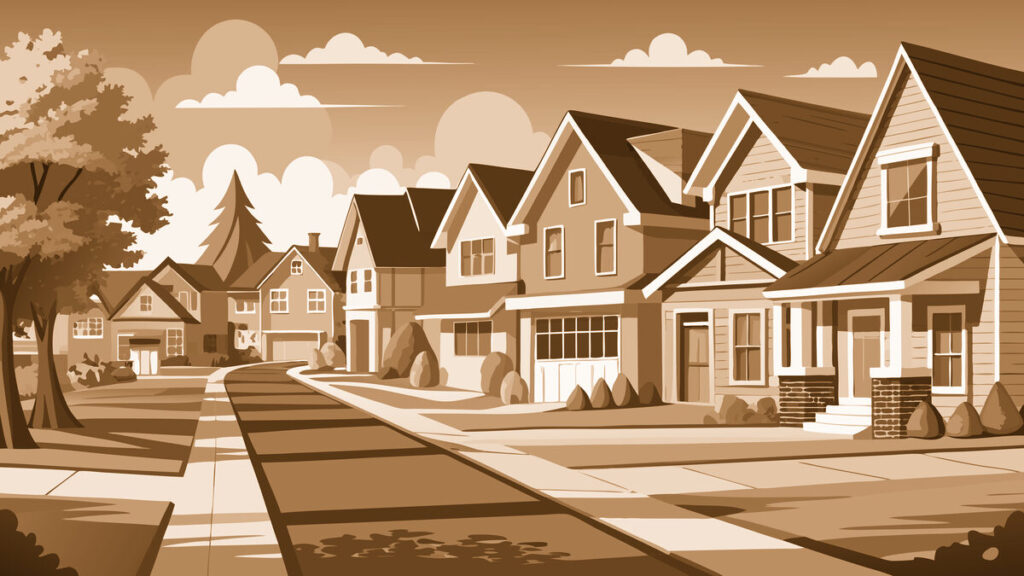
Nestled on the western edge of Conshohocken, Foulke Farm is a neighborhood that gracefully marries historic charm with the comforts of suburban living. For both longtime residents and new neighbors, the story of Foulke Farm is not just about roads and homes—it’s a living patchwork woven from family legacies, verdant green spaces, and the pulse of a community that cherishes its roots.
The Origins: From Farmland to Neighborhood
The tale of Foulke Farm begins, as the name suggests, with an actual farm. In the early 1800s, this tract of land was owned by the Foulke (pronounced "Folk") family, one of Montgomery County’s notable Quaker farming families. The Foulkes were drawn to this gently rolling land for its fertile soil, which allowed for both crops and livestock to flourish. Their farm stood at what is now the heart of the neighborhood, close to the intersection of Harry Street and Foulke Lane—a quiet tribute to their name.
For generations, the Foulke family played a central role in local Quaker society, helping to build not just the agricultural vitality of the area, but also its moral and communal foundation. The original farmhouse, with its sturdy stone walls and old shade tree, still stands today—an unassuming sentinel on Foulke Lane, quietly reminding passersby of the neighborhood’s agricultural past.
Naming the Neighborhood: A Family Legacy
It was not until the mid-20th century that the area began to transform from farmland into a residential enclave. As Conshohocken’s industries prospered and the borough expanded, the pastoral fields were gradually divided into parcels for home construction. The developers who purchased the land in the 1950s chose to honor its heritage by keeping the Foulke name, a decision that anchored the new neighborhood in history rather than erasing it.
The streets here—like Foulke Lane, Stony Creek Drive, and Woodmont Road—echo reminders of both the family and the natural surroundings that shaped its early years. Each street name was chosen carefully, a subtle nod to either the family, the creek that once bordered the edge of the farm, or the lush woods that still blanket parts of the neighborhood.
Key Historical Milestones
- *Early 1800s*: Establishment of the Foulke family farm, a working Quaker farmstead known for progressive agricultural practices.
- *Late 1930s*: The gradual decline of the family’s farming activities as the next generation pursued opportunities in nearby Norristown and Philadelphia.
- *1949-1955*: The sale and subdivision of the land for post-war housing demand, ushering in new construction and the formal establishment of the Foulke Farm neighborhood.
- *1968*: Opening of the nearby Tranter Park, providing Foulke Farm residents with recreational space and cementing the area as family-friendly.
- *1980s-Present*: Continued growth and home improvements, as original houses are lovingly updated while maintaining their mid-century character.
Notable Landmarks and Buildings
Foulke Farm, though primarily residential, harbors a few treasured landmarks:
- The Original Foulke Farmhouse: Located on Foulke Lane, this late-18th-century structure blends seamlessly with the more modern split-levels and Cape Cods that dot the neighborhood. It’s privately owned but cherished as a local relic.
- Tranter Park: While not technically within Foulke Farm’s official borders, this public green space on Stony Creek Drive is a favorite destination for neighborhood families, dog walkers, and local sports teams. Its mature trees and gentle slopes are reminiscent of the area’s farming past.
- The Stony Creek: On rainy days, you can still hear this lively waterway at the edge of the neighborhood, a soothing soundtrack that speaks to the land’s connection with nature.
Evolution Through the Decades
Foulke Farm has always been a place of quiet transformation. Through the 1960s and 1970s, young families moved in, drawn by the newly built ranch-style homes, two-story colonials, and the promise of good schools and safe streets. Summers were filled with block parties and backyard barbecues, while winters brought sledding on Tranter Park’s hills.
By the 1980s and 1990s, the neighborhood saw children of the original homeowners returning to raise families of their own. Small architectural shifts appeared—porches were added, driveways widened, and gardens flourished where vegetable patches once stood. Yet, Foulke Farm retained its original spirit of neighborliness. Residents still gather for annual yard sales, Halloween parades, and springtime cleanup events.
Although Conshohocken has experienced booms in apartment living and commercial development, Foulke Farm stands as a pocket of stability—a haven where traditions matter and the stories of “those who came before” are never far from mind.
Institutions and Community Life
Foulke Farm is ideally situated within walking distance of Conshohocken Elementary School and several churches that serve as gathering spaces for everything from yoga classes to community meetings. Over the years, neighbors have organized book clubs, garden swaps, and even historical walking tours, ensuring newcomers understand and respect the neighborhood’s roots.
Local institutions, like the William Jeanes Memorial Library in nearby Plymouth Meeting, keep the spirit of history alive with photo exhibits and talks. And for a taste of modern convenience, the bustling restaurants and cafes of Conshohocken’s Fayette Street are less than a five-minute drive away.
Why Foulke Farm Feels Like Home
Ask any Foulke Farm resident what sets this neighborhood apart, and you’ll hear stories of warmth, welcome, and shared history. It’s a place where families look out for one another, where children still ride bikes with abandon, and where it’s not uncommon to linger on a walk just to chat with a neighbor.
Whether you’re drawn by the cozy streets, the echoes of a farming past, or the simple beauty of a well-tended yard, Foulke Farm radiates a sense of belonging. In a rapidly changing world, that’s more precious than ever.
As the years roll on, the neighborhood’s rich heritage continues to infuse daily life with meaning, ensuring that the legacy of the Foulke family—and the spirit of their land—lives on in every corner of this cherished Conshohocken community.